
SLH Resistant Iron Cathodes: Cutting Waste in Copper Electrorefining
- Oct 10, 2025
- 2 min read
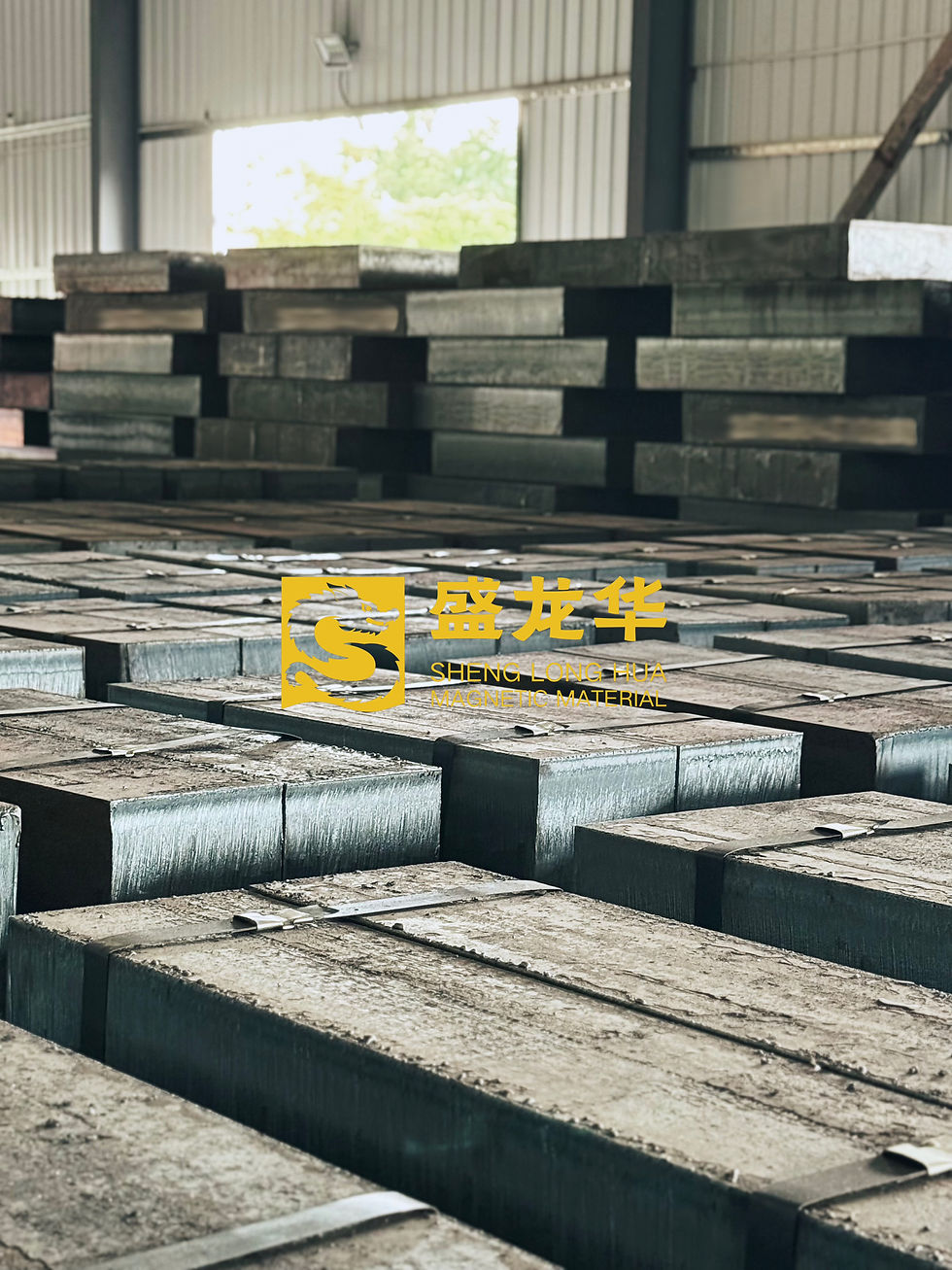
Copper electrorefining is a delicate process: raw copper is dissolved in acid, then pure copper is deposited onto iron cathodes. But standard iron cathodes are prone to corrosion and impurity leaching, leading to wasted copper, frequent replacements, and lower-quality end products. SLH Resistant Iron Cathodes have revolutionized this industry by combining ultra-high purity with a specialized surface treatment, solving these pain points and delivering measurable cost savings.

The first problem SLH addresses is purity. Standard cathodes are made from low carbon steel (98% Fe), which contains trace elements like zinc, nickel, and manganese. These impurities leach into the electrolytic bath, then become embedded in the deposited copper—lowering its purity from the desired 99.999% (electrolytic grade) to 99.95% (commercial grade). Electrolytic grade copper sells for $0.50 per pound more than commercial grade, so this drop in quality hits producers’ bottom lines hard.
SLH Resistant Iron Cathodes are made from 99.95% pure iron, with trace elements kept below 0.001%. This eliminates leaching, ensuring the deposited copper reaches 99.999% purity. A large copper refinery in Chile switched to SLH cathodes and saw their electrolytic grade output jump from 75% to 100% of production. With a monthly output of 100,000 pounds, this translated to an extra $50,000 in revenue per month—enough to recoup the cost of the SLH cathodes in just four months.
Corrosion is the second major issue. The sulfuric acid bath used in electrorefining eats away at standard iron cathodes, causing them to degrade and flake off. Most refineries replace cathodes every 2–3 months, which requires shutting down cells and wasting valuable production time. SLH Resistant Iron Cathodes feature a “passive oxide layer” created by annealing the iron in a controlled oxygen environment. This layer acts as a barrier against acid, reducing corrosion rates by 90%.
The Chilean refinery found that SLH cathodes lasted 24 months—8x longer than their old cathodes. This cut downtime for replacements by 90%, allowing them to increase annual production by 8% without adding new cells. The refinery also saved on labor costs: replacing cathodes used to take 10 workers two days per month; now it takes just three workers one day every six months.
SLH’s cathodes also improve the efficiency of the electrorefining process. The passive oxide layer has a smooth surface, which ensures copper deposits evenly—no rough spots that slow down deposition or trap impurities. The refinery measured a 10% reduction in refining time per batch, meaning they could process more copper in the same number of cells.
For copper refineries, SLH Resistant Iron Cathodes aren’t just a replacement part—they’re a way to boost quality, increase production, and cut costs. In an industry where margins are tight, these improvements can make the difference between profitability and struggle. As demand for high-purity copper (used in electronics and EVs) grows, SLH’s cathodes will become an essential tool for meeting that demand efficiently.

Comments